Maximilian Kreitmaier, diploma thesis, LF UPJŠ
Cleft lip and/or palate (CL/P) is among the most prevalent congenital craniofacial disorders, with consequences extending far beyond cosmetic and functional concerns. Although surgical and orthodontic advancements have greatly enhanced results over the years, the psychological and social implications are still vital elements of holistic care [59, 77]. People with CL/P frequently face obstacles related to communication, facial appearance, and social engagement, which can affect their self-worth, mental well-being, and social progression, especially during their formative years. Studies show that children with CL/P have a heightened vulnerability to bullying, exclusion by peers, and feelings of loneliness. These adverse experiences may lead to emotional challenges such as anxiety, low self-esteem, and negative body image. Teenagers and adults may persist with psychosocial struggles, particularly in environments where looks are crucial, such as romantic endeavours, job situations, or community acceptance. Many individuals express ongoing anxiety about how they may be perceived or misinterpreted due to their appearance or speech, which could trigger avoidance tendencies or social disengagement [59, 77]. Additionally, the family setting and societal perspectives significantly influence how one develops coping strategies. Positive family relationships and early psychological support can alleviate some adverse effects. Access to mental health counselling, speech therapy, and peer support networks has been demonstrated to improve life quality and resilience for those with CL/P [59, 77]. In summary, the psychosocial effects of cleft lip and palate are complex and need to be considered alongside surgical and orthodontic interventions. A comprehensive strategy that incorporates psychological assistance, efforts for social integration, and public education is crucial for securing the long-term health and happiness of those affected.
Anonymous survey and processing of the survey results
To engage individuals affected by cleft lip and/or palate, a confidential online questionnaire was created and shared via the social media channels of “Deutsche Cleft Kinderhilfe e.V.” The selection of this organization was based on their wide-reaching networks and proactive involvement with the cleft community in Germany, which guaranteed that the study would attract a suitable and pertinent group of participants.
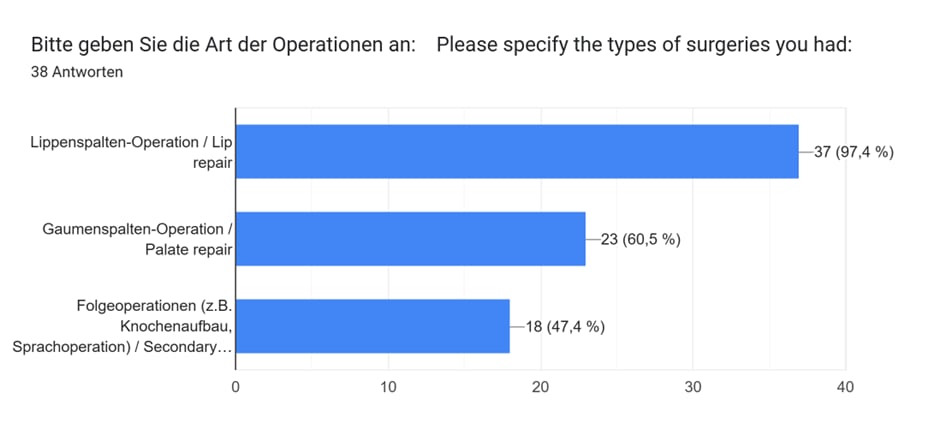
Graph 12. Types of Surgeries Underwent by Participants
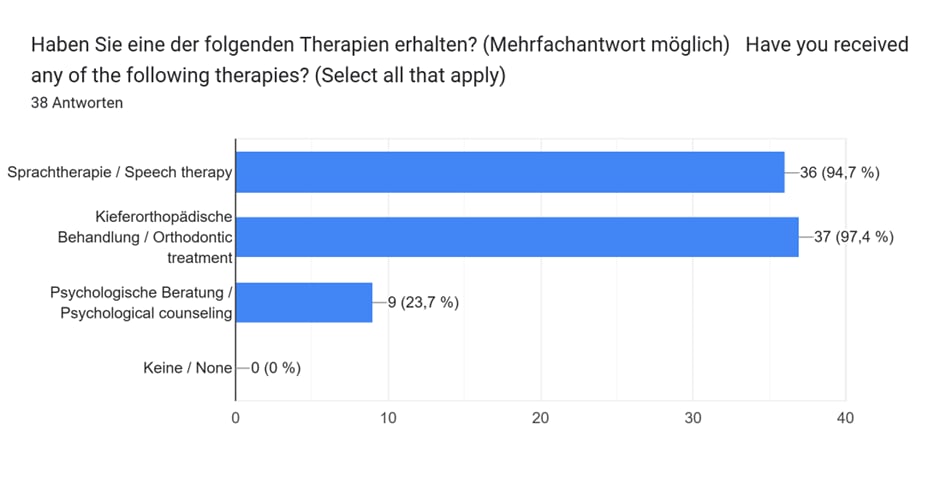
Graph 13. Therapies Received by Participants (Multiple Responses)

Graph 19. Seeking Support or Help Following Bullying
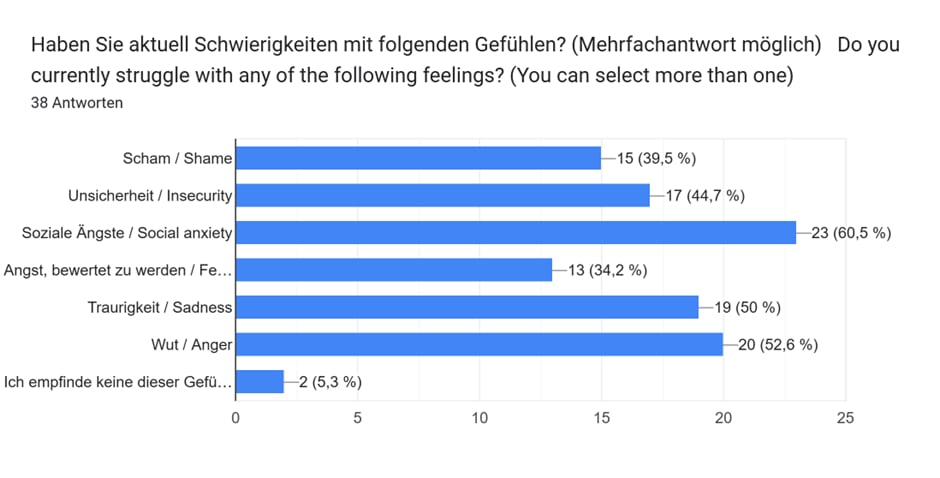
Graph 21. Current Emotional Difficulties Reported by Participants

Graph 30. Frequency of Psychological Burden Due to Cleft
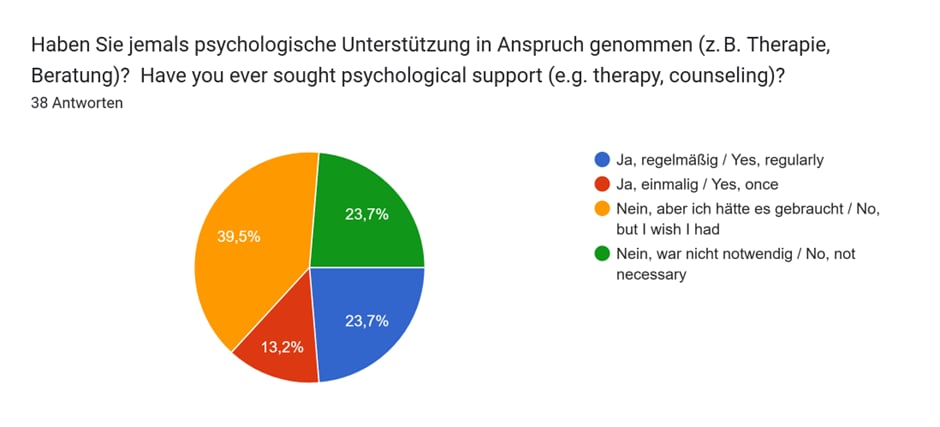
Graph 31. Use of Psychological Support (e.g., Therapy, Counseling)
Summary of Principal Outcomes from the Survey on Psychosocial Effects of Cleft Lip and Palate
A total of 38 individuals impacted by cleft lip and/or palate took part in the study. The group was fairly evenly distributed by gender, with 52.6% identifying as male and 47.4% as female, and the majority were between the ages of 18 and 40. All participants categorized themselves as Caucasian.
Medical Background: A significant portion of respondents had both cleft lip and palate (52.6%), with the left side being the most commonly affected (71.1%). 94.7% were diagnosed or underwent their initial surgery within their first year, with most having had 1–2 surgical procedures. Nearly all had lip repair surgeries (97.4%), with a considerable fraction receiving palate repairs (60.5%) and other follow-up surgeries, including bone grafts or operations related to speech (47.4%).
Therapeutic Support: Almost every participant underwent orthodontic care (97.4%) and speech rehabilitation (94.7%). Yet, only 23.7% had engaged in psychological therapy, highlighting a possible shortfall in emotional and mental health assistance.
Bullying and Social Experiences: A significant 92.1% of respondents reported being bullied regarding their cleft, especially during preschool (78.9%) and elementary school (89.5%). The bullying was primarily verbal (89.5%), social (68.4%), and online (47.4%), with peers (94.7%) and strangers (55.3%) as the main offenders. Notably, younger participants tended to report cyberbullying as a newer form of intimidation, indicating a change in bullying trends.
Gender-Specific Patterns: Women were more inclined to share their emotional struggles with family, friends, or therapists. They also noted greater emotional repercussions, particularly feelings of shame and social anxiety. Conversely, while men experienced social anxiety, they were more prone to express their feelings through anger.
Emotional and Psychological Impact: Over half of the participants indicated moderate to severe emotional turmoil from bullying experiences. Common emotional challenges included social anxiety (60.5%), anger (52.6%), and sadness (50%). Despite this, close to 40% had not received any psychological help, even though many felt it would have been beneficial. Self-Perception and Relationships: Just 15.8% expressed contentment with their physical appearance, while 44.8% were dissatisfied. Half felt insecure about their speech, and 86.8% had experienced teasing related to it. 39.5% believed that their looks had adversely affected their relationships, and an additional 26.3% were uncertain.
Social Integration and Self-Esteem: About 45% felt uneasy in social scenarios, and 71.1% mentioned they frequently or sometimes felt compelled to conceal themselves or retreat. Overall self-esteem levels were low, with 47.4% rating their self-worth as low or very low.
Conclusion
The findings indicate that people with cleft lip and/or palate experience considerable emotional and social stress, primarily due to ongoing bullying, concerns related to their appearance, and the scarcity of psychological assistance. When comparing by gender and age, it becomes evident that women generally express a greater willingness to seek help and display a heightened susceptibility to internal emotional issues like shame and social anxiety. Men, on the other hand, tend to express feelings of anger more frequently, while both genders exhibit social anxiety. The increase in cyberbullying among younger individuals highlights the changing landscape of psychosocial difficulties. These results emphasize the vital importance of providing robust psychosocial support, combined with medical and speech therapies, to promote a comprehensive, enduring well-being and facilitate social inclusion for those impacted.
DISCUSSION
The complex challenge of the interdisciplinary care of cleft lip and/or palate (CL/P) involves collaborative treatment modalities such as the oral surgeon, orthodontist, speech therapy, and support for psychological wellbeing. The main focus of this expenditure is the proper timing and coordination of the elements of staged management of cleft lip and/or palate that focuses on early pre-surgical orthodontic interventions, through to surgical correction and orthodontic treatment which can extend through to adulthood and beyond. The theoretical portion of the work emphasized important concepts that included understanding the embryology, classification systems and the rationale for staged, age appropriate interventions. The practice aspect of this work demonstrated the clinical utility of the orthoscopic feeding plates and nasoalveolar molding (NAM) apparatus that not only improved early function but actively readied patients for their primary surgical intervention, which assisted in minimizing the severity of malformation and translated to better surgical outcomes by the early strategic use of the NAM and palatal plates, which collectively aimed to optimize patient outcomes with respect to soft tissue in particular as well as support the growth and development of the maxilla and nose. The orthodontic management of CL/P through the stages of dentition, dealt with aspects related to consequences of maxillary constriction, dental agenesis and malocclusion with respect to management procedures, particularly noted for maxillary expansion.. The survey of psychosocial impact confirmed the larger scope of care that was indicated for CL/P patients and showed that functional and aesthetic corrections were not enough, as psychosocial concerns such as emotional well-being, self-esteem and societal integration became revealed as concerns especially in the adolescent and early adult life stage. These results affirm the importance of psychosocial support as integral to the larger picture of comprehensive cleft management. In closing, it was concluded that while the surgical and orthodontic contributions have improved the methods for treatment, an integrative approach from functional rehabilitation through to psychosocial support is needed for optimal long-term success for an individual having cleft lip and/or palate.
[59] Sinko K, Jagsch R, Prechtl V, Watzinger F, Hollmann K, Baumann A. Evaluation of esthetic, functional and quality-of-life outcome in adult cleft lip and palate patients. The cleft palate-craniofacial jounral. 2005;41:355–61.
[77] Hunt O, Burden D, Hepper P, Johnston C. The psychosocial effects of cleft lip and palate: a systematic review. Eur J Orthod [Internet]. 2005;27(3):274–85